By RFID MFG Editorial Team · Updated August 12, 2026
An ID card is more than a photo and a name — when it carries an RFID or contact chip it becomes the key to doors, time-and-attendance, cashless canteens and secure printing. The right material and chip depend on durability needs, security level and budget.
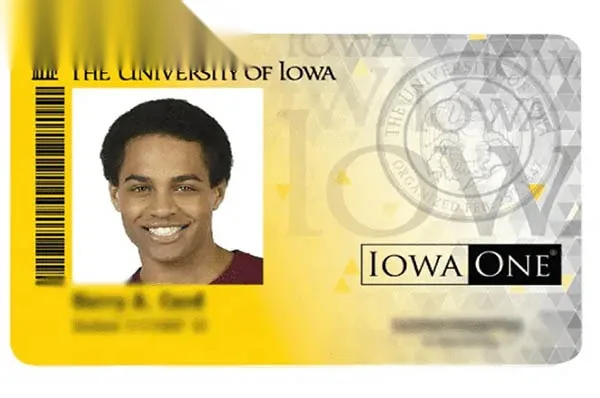
For this rollout, cards were produced with full personalization: sequential numbering, barcodes, photo ID and chip encoding, all matched to the customer’s access-control system. Premium PC and PETG options were offered for users who needed extra durability over standard PVC.
Common ID-card materials
| Material | Best for | Note |
|---|---|---|
| PVC | Everyday ID & membership | Most economical, easy to print |
| PET / PETG | Higher durability | Stronger, more eco-friendly |
| PC (polycarbonate) | High-security ID | Laser-engravable, very durable |
| Eco / BIO | Green programs | Lower plastic footprint |
Key takeaways
- Pre-printing and personalization: numbering, barcode, photo and encoding
- Choice of chip for access, payment or multi-application use
- PVC for value; PC/PETG for durability and security
- Secure, consistent production at volume
How RFID MFG helps
RFID MFG prints, personalizes and encodes ID cards in-house, so each batch arrives ready to issue — matched to your reader, your artwork and your security keys.
Related products & guides
Frequently asked questions
Can you encode our access-control keys?
Yes. We encode MIFARE, DESFire and other chips with your sectors and keys under NDA, and can pre-number and print each card.
What is the most durable ID-card material?
Polycarbonate (PC) is the most durable and is laser-engravable for high-security IDs; PETG is a strong, more eco-friendly mid-tier option.