By RFID MFG Editorial Team · Updated August 12, 2026
Service operations struggle when they cannot reliably identify which unit is which. RFID solves this by giving every item a unique, scannable identity that links to its full record — purchase date, warranty status, prior repairs and required checks.
When an item arrives for service, a quick read confirms whether it is in warranty and what work or calibration is due, reducing disputes and speeding up turnaround.
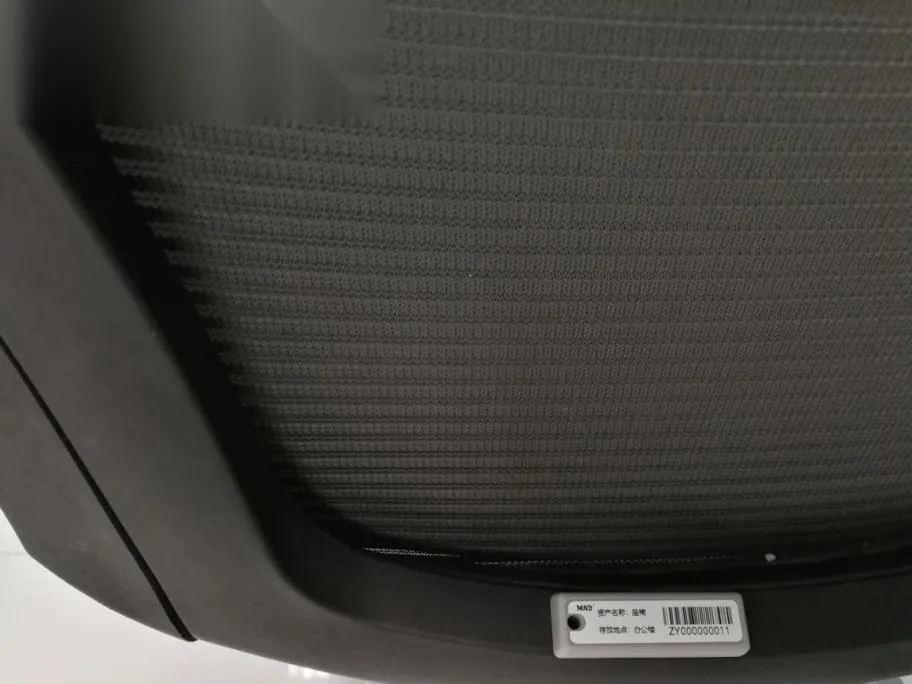
The tag has to outlast the product, often on metal and through years of handling, so warranty and repair programmes use rugged on-metal, epoxy or PCB tags rather than paper labels. Each is encoded with a permanent serial and, where anti-counterfeiting matters, a factory-locked chip TID that cannot be transferred to a clone — so a genuine unit can always be told from a grey-market or counterfeit one. We manufacture these durable tags and encode your serial and warranty data before delivery, ready to attach on the line.
Key takeaways
- Unique RFID identity per unit links to its full history
- Instantly verify warranty status and due checks
- Fewer disputes over coverage and prior work
- Faster, more accurate returns and repair flow
How RFID MFG helps
RFID MFG supplies durable tags and on-metal labels suited to tools, electronics and equipment — encoded with serial data so each unit carries its identity for life.
Related products & guides
Frequently asked questions
How does RFID prove warranty status?
Each unit’s tag holds a unique ID linked to its purchase and service record, so a single read confirms whether it is in warranty and what work is due.
What tags suit electronics and tools?
Anti-metal (on-metal) tags and rugged epoxy or PCB tags are designed to read reliably on or near metal surfaces.