By RFID MFG Editorial Team · Updated August 12, 2026
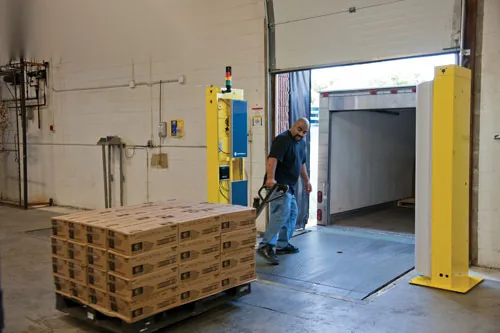
A gateway or portal is simply a set of RFID antennas mounted around a doorway, dock or corridor. As tagged items pass through, the reader logs the time, direction and location — creating an automatic chain of custody across a building or site.
This is ideal for tracking goods between zones, confirming shipments at dock doors, and monitoring high-value assets as they move around a facility, all without slowing people down or requiring manual checks.
A dependable portal is an exercise in antenna geometry. Two to four UHF antennas are positioned to flood the opening evenly, reader power is tuned to cover the doorway without reading the next aisle, and direction is inferred from the order in which antennas see the tag. Fast-moving forklift traffic, metal door frames and shrink-wrapped loads all change the read field, so we help select and place the readers, antennas and tag types together and test with your actual goods before go-live.
Key takeaways
- Automatic, hands-free recording at every doorway
- Direction and timestamp give a clear chain of custody
- Works for shipments, assets and inter-zone moves
- Pairs with handheld readers for spot checks
How RFID MFG helps
RFID MFG provides the fixed readers, gate antennas and tags that make portal tracking reliable — selected and tuned for your item types, throughput and read environment.
Related products & guides
Frequently asked questions
How far can a gateway reader detect tags?
UHF portals typically read tags across a 2–6 m doorway depending on antenna layout, tag type and the materials being tagged.
Can a portal tell which direction goods move?
Yes. With multiple antennas the system infers direction (in vs out), which is essential for chain-of-custody and shipment confirmation.